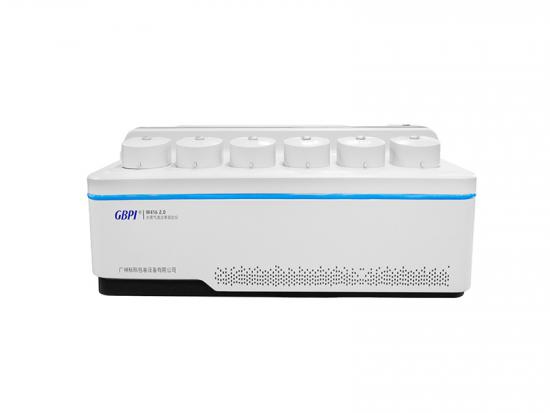
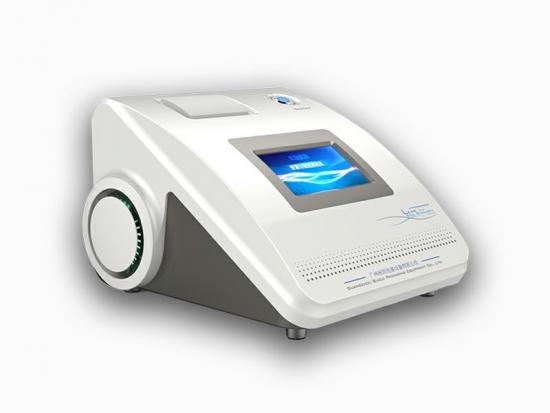
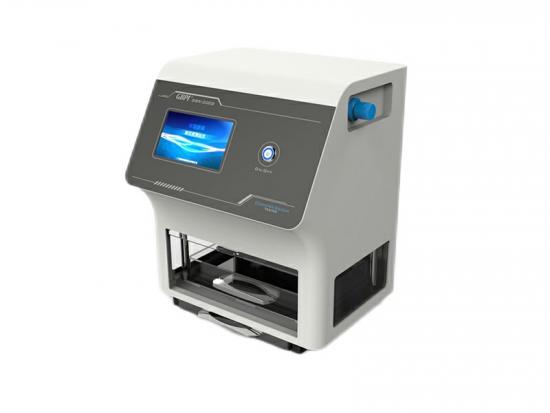
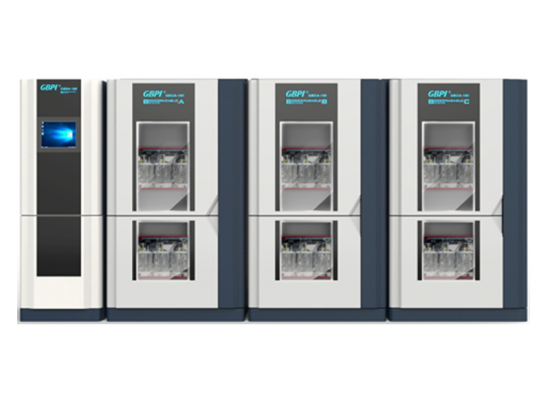
packaging testing equipment Water Vapor Permeation Tester
Products
Home /

Flexible Packaging Testing Service

/

Testing Items

/

Tensile Strength Test

/Flexible packaging film tensile properties measurement by tensile tester

Flexible packaging film tensile properties measurement by tensile tester

To test the tensile strength, peeling strength, heat sealing strength and tearing strength of plastic film, composite film, tape, soft packaging material, rubber sheets, paper, non-woven fabrics and other packaging materials, widely used in industries of membrane, packaging, pharmaceuticals, food, inspection agency, research institute, college and so on.

  • Brand:

    GBPI
  • Item NO.:

    GBH-1 Electronic Ten
  • Product Origin:

    Guanzhou China
  • Shipping Port:

    Huangpu Guangzhou
Inquiry now
Product Detail


Universal Tensile‑Peel‑Puncture Tester for Flexible Packaging Film

Flexible Packaging film Tensile properties indicate how the material will react to forces being applied in tension. A tensile test, also known as tension test, is a fundamental mechanical test where a carefully prepared specimen is loaded in a very controlled manner while measuring the applied load and the elongation of the specimen over some distance. Tensile tests are used to determine the modulus of elasticity, elastic limit, elongation, proportional limit, and reduction in area, tensile strength, yield point, yield strength and other tensile properties.

Beyond basic tensile measurement, flexible packaging labs frequently require peel strength testing for adhesive‑laminated film layers and puncture resistance testing to evaluate material resistance to sharp‑point penetration. These three core evaluations‑‑tensile, peel and puncture‑‑deliver complete mechanical performance data for packaging material qualification.

Tensile properties of thin film used in Flexible packaging are tested comply to ASTM D882–Standard Test Method for Tensile Properties of Thin Plastic Sheeting, standard ASTM D828 Standard Test Method for Tensile Properties of Paper and Paperboard Using Constant‑Rate‑of‑Elongation Apparatus and ISO 37 Rubber, vulcanized or thermoplastic —Determination of tensile stress‑strain properties. Peel and puncture test procedures follow widely‑recognized industry standards for composite films, laminates and multi‑layer packaging materials.

The most common testing machine used in tensile, peel and puncture testing is the universal testing machine. The machine must have the proper capabilities for the test specimen being tested.

GBPI GBH‑1 Electronic Tensile Tester supports tensile, peel and puncture multi‑scene testing, with force range 0~500N (0~3000N optional ), 1500% elongation; force accuracy within ±0.5% of the displayed value (grade 0.5) and test speed 0‑500mm/min (infinitely variable speeds). Suitable for thin plastic film per ASTM D882, laminated flexible packaging, paper, paperboard and rubber samples.

Technical Parameters

  • 1. Versatile functions, interface and operation modes; multiple parameters setting for tensile, peel and puncture test workflows.
  • 2. Computer controlled, online display of test result, auto data storage and analysis, multiple curves record, zoom in/out, computer print. Supports test‑result output for tensile strength, peel force and puncture peak‑load data.
  • 3. Modularized, can extend function to add peel fixture or puncture probe accessories.
  • 4. Control module can be built in (for simplistic structure and saving space), or be installed external (for easy upgrade, maintenance, and independent working without computer)
  • 5. 3 levels of security protection.
  • 6. High sampling speed (100 times/s) captures transient peak force during peel separation and puncture piercing.
  • 7. Core part is imported, with high precision and durable.
  • 8. Table standing design for sitting operation, easy and comfortable.
  • 9. Various clips & probes optional for tensile, peel and puncture different test purposes.
Send A Message

Leave us a message, we will get back to you ASAP.

Related Products
migration testing in food packaging GBPI Migration Testing equipemnent In Food Plastic Packaging Migration & Non-volatile-matter Content Tester
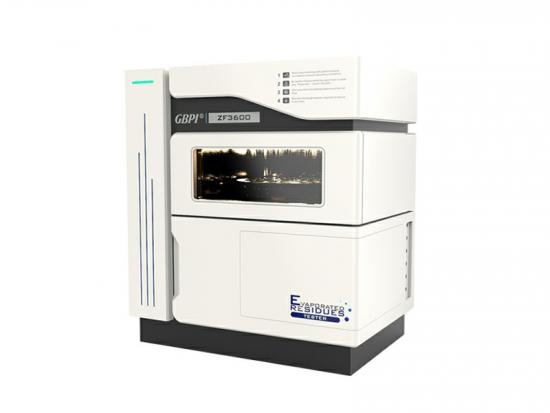
  ZF3600 Full-automatic Total Migration Tester is applied to determinate the dissolution amount of packaging materials in different simulant soaking solutions.
Gas permeation testing Laboratory Gas Permeability Testing Equipment
Product Introduction The N500A 2.0 Gas Permeability Tester is a high - precision experimental testing equipment that integrates machinery, electronics, and software. It is suitable for testing the gas barrier properties of plastic films, composite films, sheets, metal foils, etc., as well as the gas permeability testing of packaging containers such as plastic, rubber, paper - based bottles, bags, cans, and boxes.  
COF Testing Flexible Packaging Film Coefficient of Friction Tester COF Testing
The Coefficient of Friction Tester equipment performs tests to most of the recognised international test standards including IS0 8295 and ASTM 1894-78.
 Disk Stripping Tester Gx-B2 Disk Stripping Tester
To test the ink layer bonding strength of printed (intaglio) plastic film, composite film, cellophane and so on; test the layer bonding status formed by vacuum coating, surface coating and composite technology etc. It meets the GB/T 7707-2008 standard The intaglio prints for decorating.
Differential Pressure Gas Transmission Tester Differential Pressure Method Gas Transmission Tester N530A 2.0
Introduction The N530A 2.0 Gas Permeability Tester is designed and manufactured based on the differential pressure testing principle, in accordance with standards such as GB/T 1038 and ISO 2556. It adopts a high-precision pressure sensor and automatic pressure difference maintenance technology, ensuring high testing accuracy. It is suitable for testing the gas permeability of films, sheets, paper, packaging materials and related products in fields including food, pharmaceuticals, medical devices, daily chemicals, and photovoltaic electronics. It provides wide-range and high-efficiency gas permeability detection for high, medium, and low gas barrier materials.
Xenon arc lamp aging test chamber Xenon arc lamp aging test chamber GB-OXD-15P
  1.Profile Xenon lamp aging test chamber simulates the full spectrum lamp with Xenon arc lamp to reappear the destructive wave. It serves for the environmental simulation and accelerated test for research and development, product development and quality control. Besides, the chamber also applies to the choice of new material, weathering test after composition of material and improvement for the current material. It simulate different environment, and show the material changes under the explosion of sunlight.   The chamber meets the standard: GB/T16585-1996 , GB14522-93 , GB/T16422.3-97, ASTM D2565 and so on. The Chamber is to determine the color fastness, aging resistance of textiles, plastics, coatings, rubber products or other materials by objecting to the simulated conditions of nature weather (sun, rain, temperature and humidity, etc.).     Technical parameters   2.Material of construction u Full spectrum lamp u Optional filter system u Water spraying function u Humidity control u Temp. control system in the chamber u Sample fixed hold of irregular shape u USA imported xenon arc lamp u Easy installation and operation, seldom daily maintainance. u Service life time deepens on the irradiance level, usually 1600hrs. It’s easy to replace the lamp, with filter of long service life time to ensure the necessary spectrum. 3.Technical parameters Model No., equipment name GB-OXD-15P Xenon aging test chamber Interior sizes   W500×D500×H600mm  Exterior sizes W1050×D1050×H1750mm (or so) Temperature range 0℃~80℃ Controller imported programmable 7inch touch screen Machine components material inner and outer 304# stainless steel Sample holder Aluminum alloy frame base Protection device residual-current circuit breaker (RCCB) to control the warning for loop overload, thermal protection and water shortage protection. Temp. deflection ±2℃  (without lighting) Humidity range 30%~98%R.H Humid. deflection ±2.5%R.H(Humid.≥75%R.H); ±3%R.H(Humid.≤75%R.H) without lighting Light source imported full spectrum xenon arc lamp(average useful life 1600hrs) Raining time 1~9999min (adjustable) Raining period 1~240min, interval(cut)adjustable lamp power Test period for Temp., irradiation, condensation, spray can be adjustable Lamp 1.8KW Wave length range 290-800nm heating power (or so) 4.0KW humidification (or so) 2.0KW Light irradiance 1200w/m2 Distance between arc center and sample holder: 350~380mm Revolving speed of sample holder ≥1r/min  water spray period a. spray time: 0~99h59min (Continuing or adjustable) b. stop time: 0~99h59min, (Continuing or adjustable)   lighting time Continuing programming control available black panel temp. 85±3℃ cooling method Mechanical wind cooling; Room temp. less than 26℃ is recommend, relative humid: ≤85%R.H; humid. and temp. tested after 2 hours under idle condition. 4.Temperature & humidity running control system controller imported programmable 7inch touch screen precision range set precision: temp. ±0.1℃, humid: ±2%R.H, indicated precision: temp.±0.1℃,humid.: ±1%R.H temp. & humid. sensor Platinum Resistance(PT100Ω/MV) black panel temp. double-metal black panel temp. thermometer water-supplying system auto-control humidication water-supplying, Xenon arc lamp with cycling cooling water circulation system low noise heat-resistance conditioning motor, multi-blade centrifugal wind wheel control system mainly consists of operation panel, central controller, kinds of key-pressing sw., status indicating lamp, excution electric device etc.. 5.Structure section of machine body The chamber consists of several section: chamber body, control system, refrigeration system, heating system, humidation system, wind system, raining system, lighting system and so on. Chamber body a. With integrated structure, the chamber consists of up left part as working room, up right part as electric controller which is convenient to control, down part as compressor cooling group, sample holder rotation device, Xenon lamp condensation water box, water pump and other executive devices. b. Inner wall of chamber adopts international SUS304# material. c. Temp. insulation material is polyurethane foam and ultra-fine fibre glass, with good temp. insulation result, no frost and condensation on the external surface of chamber. d. condensate water outfall set at the bottom of chamber e. Environmental heat-resistance silicon sealing tape as the material of door frame. f. Viewing window with eye-protective film on its surface to protect eyes from being injured by Xenon lamp. external chamber body a. Seal of door adopts the double-layer of refined silicone rubber with reliable sealing effect and no aging or hardening phenomenon under high or low temperature. b. Single door (embedded handle); c. Viewing window, antifrost device and lamp equipped on the door viewing window Size:25 cm W × 30 cm H;equipped with Anti-radiation hollow glass 6.Electric control section of chamber a. As the core part of chamber b. Air pressure switch as the main switch to control the main circuit; c. Safety measures for electric section: it warns and cut electricity automatically after tested the action from following protection devices: a) overheat protection in working room b) lockage of phase, leakage protection c) overcurrent protection of motor d) overpressure/overload protection of cooling machine e) short out/overload protection of heater, humidifer f) fusing protection of fuse 7.Working section of chamber Condensation section of compressor. a.Cooling system: as the core part of cooling system, we adopt one set of compressor of Tecumseh from France in this case to ensure the cooling requirement in the working room. b.For adjustment technology and design of cooling system, we take an efficiency processing way to ensure the adjustment for the cooling amount and consumption of cooling system under the normal running, to make the failure rate down to the economical statue. c.Cooling evaporator: it locates in interlayer at one side of chamber which ventilate by force from blast motor to exchange heat fast. d.Cooling method of cooling system: forced air cooling Cooling refrigerant:Environmental R404a; Heating system a. Heating method: heating directly in the chamber; b. Military level stainless steel heating tube used, with fast and stable heating to keep temperature in the working room from rapid change. It with corrosion resistance, anti-high-low temperature, no leakage and other advantages. c. With SSR (solid relay)output control, without noise, reliable working, long service life time, fast switching, low interference from outside, and easy operation etc.. Rain system.   it consists of nozzle, solenoid valve, water-supplying and connecting pipe. Lighting system. It consists of xenon lamp, lamp cover, lamp contactor and other controlling parts. Energy compensation is got by adjusting samples distance, pressure and current. Wind system  It locates in the interlayer at the back of chamber, there are heater, fan blade, evaporator, PT100 temperature samples sensor etc.. when wind machine running, the air is intaken to the channel from working room, and blow out from the bottom after cooled; the air exchanged in the working room with samples is intaken again to the channel and mix; after several circulation, it will reach the purposed temperature, and ensure the high index of temp. and humid in the chamber at the same time. Cooling dehumidification system take the compressor of world brand Tecumseh from France to keep constant temperature, decrease the humidity in the working room and cool the xenon lamp. Humidification Steam generator: to generate steam from water Water level control: control the water inlet by solenoid valve, and water level by liquid level switch to provide the signal for water-supply and warning. Air circulation section Cycling channel and winding machine inside the chamber, it uses the high efficiency cooling machine and energy adjusting system, efficiency heat exchange to reach the aim of temperature change, which also improves the airflow and heat exchange between airflow, heating and humidification, as a result, it improves the humidity uniformity in the working room. 8. Enclosured files: operation manual, warranty card 9. Machine running requirements Temp. 5℃~+32℃ Humidity ≤85% Power supply AC220(±10%)V/50HZ    10. Core components parts Remark: replacement of some small parts of the same quality is possible because of material shortage.    
Professional Vacuum Decay Leak Detection Tester Package Leaking Test Machine Seal Integrity Testing Equipment supplier Vacuum Decay Leak Detection Tester Package Leaking Test Machine Seal Integrity Testing Equipment
GBM-L1 Vacuum Decay Leak Detection Tester is used to perform micro leakage detection on finished packaging by vacuum decay method. It is suitable for leak detection for the integrity of various packaging containers and applied to ampoules, vials, HDPE bottles, prefilled needles and other pharmaceutical packaging, food packaging, and chemical industry packaging. It is advantageous in its’ non-destructive, non-damage and sample-free preparing characters.  
 Folding Endurance Tester Folding Endurance Tester on paper for cardboard and other flaky materials
Folding Endurance Tester mainly test the folding endurance on paper, cardboard and other flaky materials, but the thickness less than 1.25mm. Its main technical indexes and performance parameters accord with related national standards.
migration testing in food packaging Migration Test Cell-MC-C1
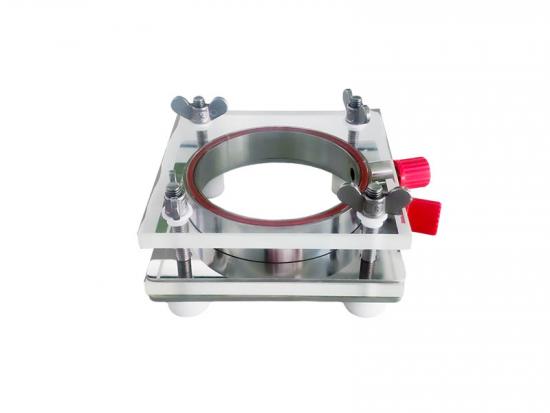
MC‑C1 Migration Test Cell: Professional Pre‑Treatment Solution for Food‑Contact Material Migration Test GBPI MC‑C1 Migration Test Cell for Food‑Contact Material Migration Pre‑Treatment Address: No.3 Linjiang Road, Xiagang Subdistrict, Huangpu District, GuangzhouTel: +86 15820231129 | Official Website: www.gbpitester.com Product Introduction MC‑C1 Migration Test Cell is suitable for pre‑treatment of migration tests for food‑contact materials and products. It is applicable to all non‑volatile food simulants specified in GB 31604.1‑2015, EN1186‑1, EN13130‑1:2004 and other relevant standards. It provides standardized test conditions to support safety assessment for food‑contact flat specimens, widely adopted by third‑party laboratories, food packaging manufacturers and research institutes. Executive Standards To ensure test repeatability and global recognition, MC‑C1 Migration Test Cell conforms to both Chinese national standards and European normative requirements: GB 5009.156‑2016, GB 31604.1‑2015, GB/T 23296.1‑2009, EN1186‑1:2002, EN 13130‑1:2004. It satisfies migration pre‑treatment requirements for domestic inspection and EU export certification. Core Technical Parameters Contact Mode Single‑sided or Double‑sided contact Single‑sided Contact Area(Diameter) 100 cm² (Φ112.8 mm) Double‑sided Contact Area 200 cm² Volume 200 mL Operating Temperature 5℃~180℃ Overall Dimensions 175mm(L) × 140mm(W) × 63mm(H) Net Weight 2.3 kg Product Features • Complies with relevant standards, fully designed and manufactured according to Migration Cell C in Appendix C of EN1186‑1:2002 and Migration Test Cell C in Appendix D of EN13130‑1:2004, ensuring consistency of migration test results. • Supports both single‑sided and double‑sided detection to reduce model‑selection trouble. Double‑sided contact is suitable for food‑contact materials such as instant‑noodle outer packaging and seasoning sachets. • Adopts high‑temperature resistant, corrosion‑resistant and self‑cleaning sealing ring to achieve excellent sealing performance, preventing leakage and volatilization of various simulants during testing. • Unique sealing structure ensures areas outside the test surface do not come into contact with food simulants, guaranteeing valid test area. • Suitable for migration test pre‑treatment of a wider range of materials. Application Fields It applies to migration test pre‑treatment of sheet‑shaped food‑contact materials and products for single‑sided exposure to food simulants including water, ethanol, acetic acid, vegetable oil, n‑hexane, n‑heptane and isooctane. Conclusion MC‑C1 Migration Test Cell is a standard‑compliant auxiliary device for food‑contact material safety testing. Supporting both single‑sided and double‑sided contact modes, it fits diverse packaging samples including instant‑noodle packages and seasoning bags. Reliable sealing avoids simulant leakage and volatilization. It delivers repeatable migration pre‑treatment results for lab QC, third‑party testing institutes and packaging manufacturers. It is essential hardware for food‑contact material compliance assessment both for domestic market and European export business. Get Quotation for This Unit GBPI Packaging Test Equipment ManufacturerAddress: No.3 Linjiang Road, Xiagang Subdistrict, Huangpu District, Guangzhou, Guangdong, ChinaTel: +86 15820231129 | Official Website: www.gbpitester.com
water vapor transmission rate WVTR MVTR Water Vapor Permeability Analyzer-W405 L
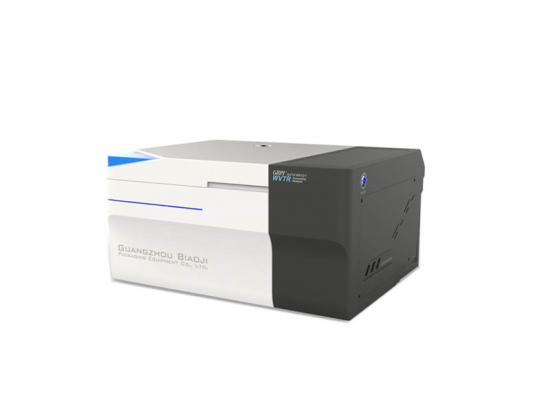
  Infrared method water vapor transmission rate tester W405L is a high-end precision packaging material testing instrument, newly developed and upgraded by GBPI Research and Development Team based on ASTM, GB standard requirements and market demand. It is used to test the water vapor transmission rate of samples under set temperature and humidity conditions. It is suitable for the water vapor transmission rate performance test of films, sheets, papers, packages and various materials in the fields of food, medicine, medical equipment, daily chemistry, photovoltaic electronics, etc.      
water vapor permeability WVTR MVTR Water Vapor Transmission Rate Testing Instrument Infrared Method for Plastic Film and Sheeting-W413
Moisture vapor permeability analyzer using infrared method is to test the water vapor transmission rate (WVTR) of films or sheets materials for food and pharmaceutical industries.
Professional Paper & Paperboard Air Permeability Tester supplier Paper & Paperboard Air Permeability Tester
Product Brief The N600P Paper & Paperboard Air Permeability Tester is custom-developed to align with standards like GB/T 458-2008 and ISO 5636. It adopts the differential pressure method as its core testing principle, and innovatively integrates three industry-common testing approaches (Gurley, Schopper, and Bendtsen) into a single device.   This tester is applicable to air permeability detection of various paper and paperboard materials, and can measure key indicators including: material air permeability, air resistance, gas transmission rate, and total gas transmission volume. Testing Principle Gurley Method   Under a constant differential pressure of 1.23 kPa, measure the time required for 100 mL of gas to pass through the sample. Schopper Method   Select a suitable test duration under a constant differential pressure (1.00 kPa±0.01 kPa or 2.50±0.01 kPa), and calculate the gas flow rate through the sample by measuring the gas volume. Bendtsen Method   After clamping the sample for 5 seconds under a constant differential pressure of 1.47 kPa, test the gas flow rate through the surface of the sample. Executed Standards GB/T 458-2008, SJ/T 10171-2016, ISO 5636-5:2003, ISO 5636-2:1984, ISO 5636-3:2013, TAPPI T460 Technical Parameters   Item Technical Parameters Test Range 0.1~10 μm/(Pa·s) Resolution 0.001 μm/(Pa·s) Differential Pressure Range 0~5 kPa Pressure Resolution 0.001 kPa Test Area 6.42 cm² or 10.0 cm² Sample Size >50 mm×50 mm Instrument Dimensions (L×W×H) 450 mm×400 mm×300 mm Power 100 W Power Supply 110~250 VAC, 50~60 Hz
  • Facebook
  • Linkedin
  • Youtube
  • Twitter

Copyright @ 2026 Guangzhou Biaoji Packaging Equipment Co.,Ltd. All Rights Reserved.

Chat now

Inquiry Now

Home

Products

NEWS

contact